The quantum threat to crypto wallets is real. It just isn't here yet
A viral custody debate made a future cryptographic risk sound immediate. Ethereum says funds are safe today while its migration work continues.
Article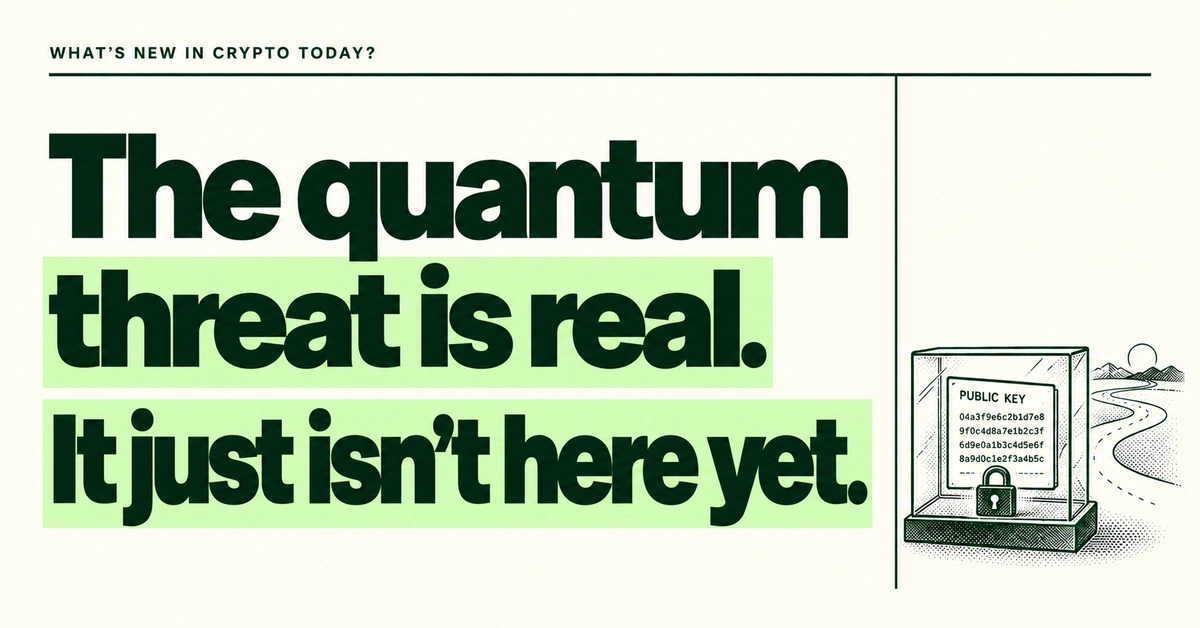
Crypto wallets are not being cracked by quantum computers or AI today.
The new “Bunker Mode” debate is about preparation. Researchers are asking what happens if future machines can solve the mathematics behind the signatures that protect Bitcoin, Ethereum and many other networks.
The right response is neither panic nor complacency.
Why some addresses are more exposed
A crypto address is derived from a public key. On Ethereum, a standard account reveals that public key when it sends a transaction.
Today’s computers cannot use the public key to recover the private key. A sufficiently powerful quantum computer running the right algorithm could change that.
An account that has only received funds has not exposed its public key in the same way. Its visible address is a hash of that key, which adds another layer an attacker would need to overcome.
That does not make untouched addresses permanently safe. Networks and wallets still need a migration plan.
Users should not scramble to move funds today, but the industry should take post-quantum migration seriously.
Vitalik Buterin (@VitalikButerin) · October 7, 2026
Why moving everything now can backfire
Sending from an address exposes its public key. Moving assets hastily can therefore reveal information that was previously hidden, create operational mistakes and concentrate funds in a new setup that has not been tested.
There is no universal “safe address” users should rush toward today. Any migration needs wallet support, a verified signature scheme and network rules that recognize it.
Ethereum’s plan
Ethereum says it has a dedicated post-quantum research program, weekly interoperability testing and a multi-year roadmap.
The account plan is to give wallets signature flexibility, so an account can move from today’s ECDSA signatures to a post-quantum system. Consensus signatures, data commitments and some zero-knowledge proof systems need separate upgrades.
These are planning milestones, not finished protections or guaranteed dates.
What holders should do now
- Do not move funds because of a viral warning alone.
- Keep wallet software and recovery procedures current.
- Know which addresses have sent transactions and exposed public keys.
- Expect wallets and networks to provide explicit migration tools later.
- Treat anyone selling an urgent “quantum-safe” transfer as a security risk until verified.
Post-quantum work matters because migrations take years. It does not mean a practical attack exists today.
Sources and reporting notes
Checked October 8, 2026. Current risk, public-key exposure and Ethereum’s migration program come from Ethereum’s post-quantum roadmap. The live debate came from Justin Drake’s planning post and Vitalik Buterin’s warning against scrambling. No active ECDSA break has been demonstrated.